
How Much Does It Cost to Build a House in Hyderabad? A Complete Construction Budget Guide
Building a house is one of the biggest financial decisions you will make in your lifetime. For many families, it is not just an investment—it is the realization of a long-awaited dream. However, before starting construction, one of the most common questions every homeowner asks is:
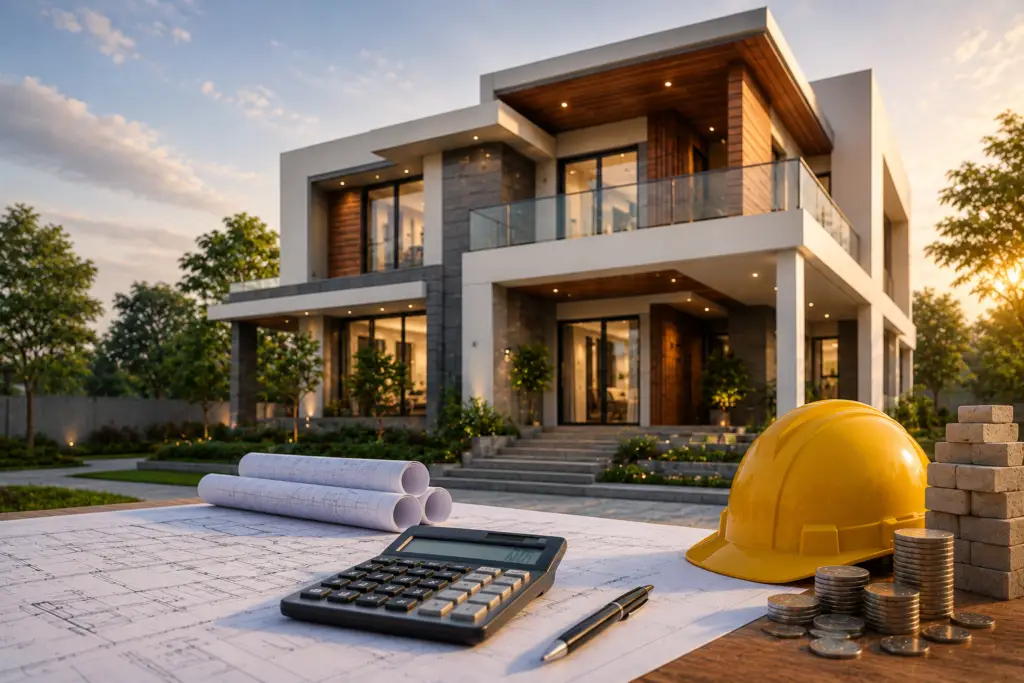
“How much does it cost to build a house in Hyderabad?”
The answer depends on several factors, including the size of the house, design requirements, quality of materials, location, construction method, and level of customization. Having a clear understanding of these factors can help you plan your budget better and avoid unexpected expenses during construction.
In this guide, we will explain the major cost components involved in building a house in Hyderabad and how you can plan your construction budget effectively.
Understanding House Construction Cost in Hyderabad
The cost of constructing a house is generally calculated based on the built-up area and the construction cost per square foot.
In Hyderabad, the approximate construction cost can vary depending on the quality and specifications:
- Basic Construction: ₹1,800 – ₹2,200 per sq. ft.
- Premium Construction: ₹2,500 – ₹3,500 per sq. ft.
- Luxury Construction: ₹4,000+ per sq. ft.
These costs usually include civil works, materials, labor, and basic finishing. However, premium designs, advanced technologies, and luxury interiors can increase the overall investment.
For example:
A 2,000 sq. ft. home may cost approximately:
- Basic Quality: ₹36 lakhs – ₹44 lakhs
- Premium Quality: ₹50 lakhs – ₹70 lakhs
- Luxury Quality: ₹80 lakhs and above
(Approximate estimates. Actual costs vary based on project requirements and market conditions.)
1. Plot Cost Is Separate From Construction Cost
One of the first things homeowners should understand is that land cost and construction cost are separate investments.
The price of a plot in Hyderabad varies significantly depending on:
- Location and accessibility
- Nearby infrastructure development
- Connectivity to IT corridors and commercial areas
- Road width and surroundings
- Future growth potential
Areas closer to developed zones generally have higher land values, while upcoming areas may offer better investment opportunities.
Before finalizing a plot, it is important to evaluate not only the current price but also the future potential of the location.
2. Architectural Design and Planning Costs
A well-designed home starts with proper planning. Architectural design is not just about creating an attractive elevation—it involves creating a functional space that suits your lifestyle.
Architectural services may include:
- Floor plan development
- 3D elevation design
- Interior space planning
- Working drawings
- Approval drawings
Professional design helps avoid costly modifications during construction and ensures better utilization of available space.
3. Structural Engineering and Soil Testing Expenses
The strength and safety of your home depend on a strong foundation.
Before construction begins, soil testing helps engineers understand:
- Soil bearing capacity
- Foundation requirements
- Ground conditions
- Structural needs
Structural engineering includes:
- Foundation design
- RCC design
- Load calculations
- Safety considerations
These are essential investments that protect your home from future structural problems.
4. Civil Construction Cost Breakdown
Civil construction forms the major portion of your house construction budget.
It includes:
Foundation Work
- Excavation
- Footings
- Reinforcement steel
- Concrete work
Structural Work
- Columns and beams
- Slabs
- Brickwork
- Plastering
Finishing Work
- Flooring
- Painting
- Doors and windows
- Electrical and plumbing installations
The quality of materials selected at this stage has a direct impact on the durability and maintenance cost of your home.
5. Material Selection Makes a Major Difference
The materials you choose can significantly affect your total budget.
Major material categories include:
- Cement and steel
- Bricks or blocks
- Flooring materials
- Sanitary fittings
- Electrical equipment
- Doors and windows
- Paint and finishes
While choosing low-cost materials may reduce initial expenses, poor-quality materials can lead to higher maintenance costs in the future.
A smart approach is to balance quality, durability, and budget.
6. Interior Design and Additional Costs
Many homeowners focus only on construction costs and underestimate interior expenses.
Interior requirements may include:
- Modular kitchen
- Wardrobes
- False ceilings
- Lighting design
- Furniture
- Smart home systems
- Decorative elements
Depending on your preferences, interiors can range from a few lakhs to a significant portion of your overall budget.
Planning interiors early helps avoid budget surprises at the final stage.
7. Hidden Costs You Should Consider
Many construction projects exceed their initial budget because certain expenses are not considered during planning.
Common additional costs include:
- Government approvals and permissions
- Electricity and water connections
- Compound wall construction
- Landscaping
- External development work
- Temporary site arrangements
- Price fluctuations in materials
A good practice is to keep an additional 10–15% contingency budget for unexpected expenses.
8. Construction Timeline and Its Impact on Budget
Time plays an important role in construction costs.
Delays can increase expenses due to:
- Increased labor costs
- Material price changes
- Extended project management costs
- Additional rental expenses
Proper planning, regular supervision, and working with an experienced construction team can help complete projects efficiently.
9. How to Reduce Construction Costs Without Compromising Quality
Building within budget does not mean choosing cheaper options. It means making smarter decisions.
Here are some ways to control costs:
- Finalize your design before starting construction
- Avoid frequent changes during execution
- Select durable materials with long-term value
- Plan electrical and plumbing layouts carefully
- Work with experienced professionals
- Monitor project progress regularly
Good planning can save money while maintaining construction quality.
10. Choosing the Right Construction Partner in Hyderabad
The construction company you choose can make a major difference in your overall experience.
A reliable construction partner should provide:
- Transparent cost estimation
- Quality material selection
- Experienced engineers and supervisors
- Regular project updates
- Proper quality checks
- Timely project completion
The right team helps transform your ideas into a safe, beautiful, and long-lasting home.
Final Thoughts
Building a house in Hyderabad requires careful financial planning, technical expertise, and the right execution strategy. While construction costs depend on multiple factors, having a realistic budget and working with experienced professionals can make the entire process smoother.
At Terrene Tectonics India Private Limited, we provide complete construction solutions—from planning and engineering to execution and final handover. Our focus is on delivering homes that combine quality, safety, and long-term value.
Your dream home deserves more than just a budget—it deserves a well-planned construction journey.
No responses yet