
From Plot to Dream Home: A Step-by-Step Guide to Building Your Own House
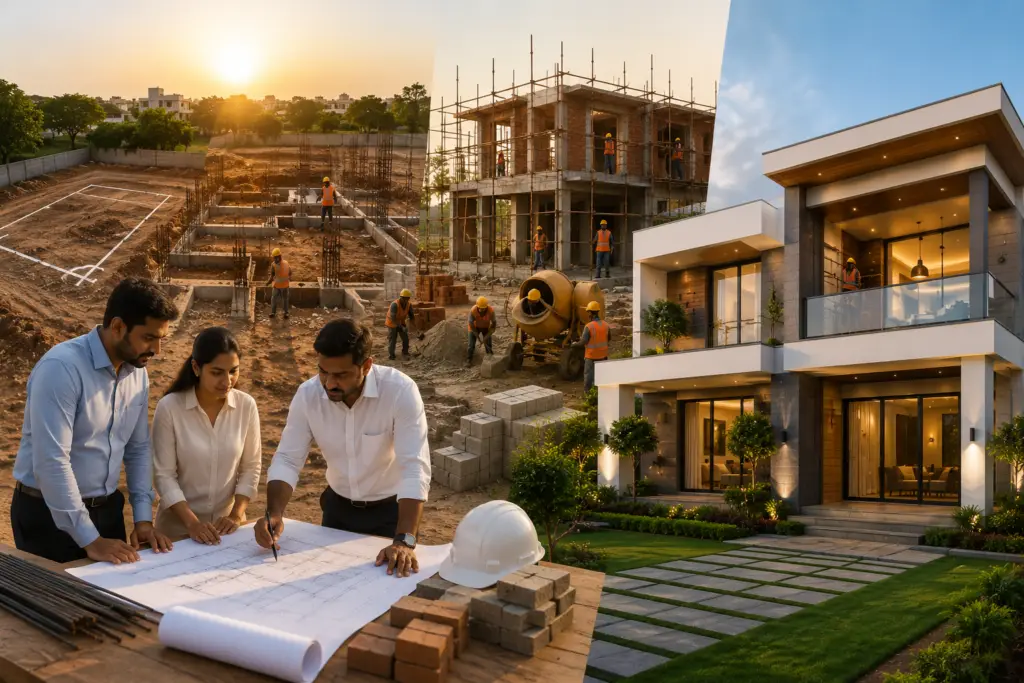
Building your own house is a dream that many people carry for years. It is a journey filled with excitement, planning, decisions, and countless small details that eventually come together to create a place you can truly call your own.
However, constructing a home is not as simple as buying a plot and starting work. A successful home construction project requires careful planning, technical expertise, financial preparation, and the right team to bring your vision to life.
Whether you are building your first home or planning a custom luxury residence, understanding the complete construction process will help you make better decisions and avoid costly mistakes.
In this guide, we will take you through the complete journey—from selecting your plot to receiving the keys to your dream home.
Step 1: Selecting the Right Plot
Every great home begins with the right foundation—and that starts with choosing the right plot.
Before purchasing or starting construction on a property, evaluate important factors such as:
- Location and accessibility
- Road connectivity
- Future development potential
- Soil condition
- Water availability
- Drainage and surroundings
- Legal documentation
A plot may look perfect from the outside, but hidden issues such as poor soil quality or legal complications can create major challenges later.
A professional site evaluation before construction can help you understand the feasibility of your project and avoid unexpected problems.
Step 2: Understand Your Requirements and Set a Budget
Once you finalize your plot, the next step is understanding what kind of home you want to build.
Start by asking yourself:
- How many bedrooms does your family need?
- Do you require a home office or study area?
- What lifestyle features are important?
- Do you want future expansion options?
- What level of finishes and materials do you prefer?
Along with your requirements, create a realistic budget.
Your construction budget should include:
- Design and architectural fees
- Structural engineering costs
- Construction expenses
- Electrical and plumbing work
- Interior design
- External development
- Approvals and documentation
- Contingency amount for unexpected costs
Proper budgeting at the beginning helps prevent financial stress during construction.
Step 3: Design Your Home With Professional Guidance
A home design is more than just an attractive elevation. It should reflect your lifestyle while ensuring comfort, functionality, and long-term value.
A professional architect helps you create:
- Functional floor plans
- Space-efficient layouts
- Natural lighting and ventilation planning
- Modern elevations
- Interior design concepts
- Construction drawings
During this stage, you can finalize important details such as room sizes, materials, finishes, and overall appearance.
A well-designed home reduces changes during construction and ensures smoother execution.
Step 4: Conduct Soil Testing and Structural Planning
Before construction begins, understanding the ground conditions is essential.
Soil testing helps engineers determine:
- Soil strength
- Foundation requirements
- Suitable construction methods
- Structural safety considerations
Based on the soil report, structural engineers prepare the foundation and building design.
This stage is extremely important because the strength and durability of your home depend on a properly designed structure.
Step 5: Get Necessary Approvals and Documentation
Before starting construction, ensure all required permissions and approvals are completed.
These may include:
- Building permissions
- Layout approvals
- Local authority approvals
- Utility connections
- Required legal documentation
Completing approvals before construction avoids delays and ensures your project progresses smoothly.
Step 6: Begin Construction Work
Once planning and approvals are complete, actual construction begins.
The major construction stages include:
Foundation Work
This includes excavation, footing preparation, reinforcement, and concrete work. A strong foundation provides stability and durability to the entire structure.
Structural Work
This stage includes:
- Columns
- Beams
- Slabs
- Brickwork
- Concrete structures
Electrical and Plumbing Work
Proper planning of electrical and plumbing systems ensures convenience, safety, and easy maintenance in the future.
Finishing Work
This includes:
- Flooring
- Painting
- Doors and windows
- False ceilings
- Fixtures
- Final detailing
Each stage requires proper supervision to maintain quality standards.
Step 7: Choose Quality Materials
The materials used in your home directly impact its strength, appearance, and lifespan.
Important materials include:
- Cement and steel
- Bricks or blocks
- Flooring materials
- Electrical products
- Plumbing systems
- Doors and windows
- Paint and finishes
While reducing costs may seem attractive initially, choosing poor-quality materials can increase maintenance expenses in the future.
A good construction partner helps you select materials that offer the right balance between quality, performance, and budget.
Step 8: Regular Quality Checks and Site Monitoring
Construction quality depends not only on materials but also on execution.
Regular site inspections help ensure:
- Work is completed according to drawings
- Materials meet required standards
- Construction practices follow safety guidelines
- Timelines are maintained
Professional supervision ensures that small issues are identified and corrected before they become major problems.
Step 9: Interior Design and Final Touches
The interior stage transforms a structure into a comfortable living space.
This includes:
- Modular kitchen
- Wardrobes
- Lighting design
- Furniture planning
- Smart home features
- Decorative elements
A well-planned interior creates a balance between aesthetics and functionality.
The goal is not just to create a beautiful home but a space that feels comfortable and practical for everyday living.
Step 10: Final Inspection and Handover
Before moving into your new home, a final inspection is conducted to ensure everything is completed properly.
The final checklist includes:
- Structural quality verification
- Electrical and plumbing checks
- Finishing quality inspection
- Documentation completion
- Final cleaning
Once everything meets the required standards, your dream home is ready for handover.
Common Mistakes to Avoid During Home Construction
Many homeowners face challenges because of avoidable mistakes.
Some common mistakes include:
- Starting construction without proper planning
- Choosing contractors only based on the lowest price
- Ignoring soil testing
- Changing designs frequently during construction
- Compromising on material quality
- Not monitoring project progress
A well-organized construction process helps avoid these challenges and ensures a better outcome.
Building Your Dream Home With the Right Partner
A home is more than a building—it is a place where memories are created, families grow, and futures are built.
From selecting the plot to final handover, every stage requires expertise, attention to detail, and careful execution.
At Terrene Tectonics India Private Limited, we provide complete construction solutions, combining engineering expertise, quality execution, and transparent project management. Our team helps homeowners transform their ideas into well-designed, safe, and durable spaces.
Your dream home journey starts with the right plan. Build it with confidence.
No responses yet